Seawater intake, valve and strainer: hidden at the bottom of the bilge, these three parts feed engine cooling, air conditioning, the watermaker and the heads. When one of them clogs or seizes, the whole circuit suffers. Our Italian partner Guidi, a maker of marine accessories since 1968, has brought these parts together into one coherent set, the Guidi System, and now presents a connected version built around its anti-blocking valve: the Guidi System “C-PIN”.
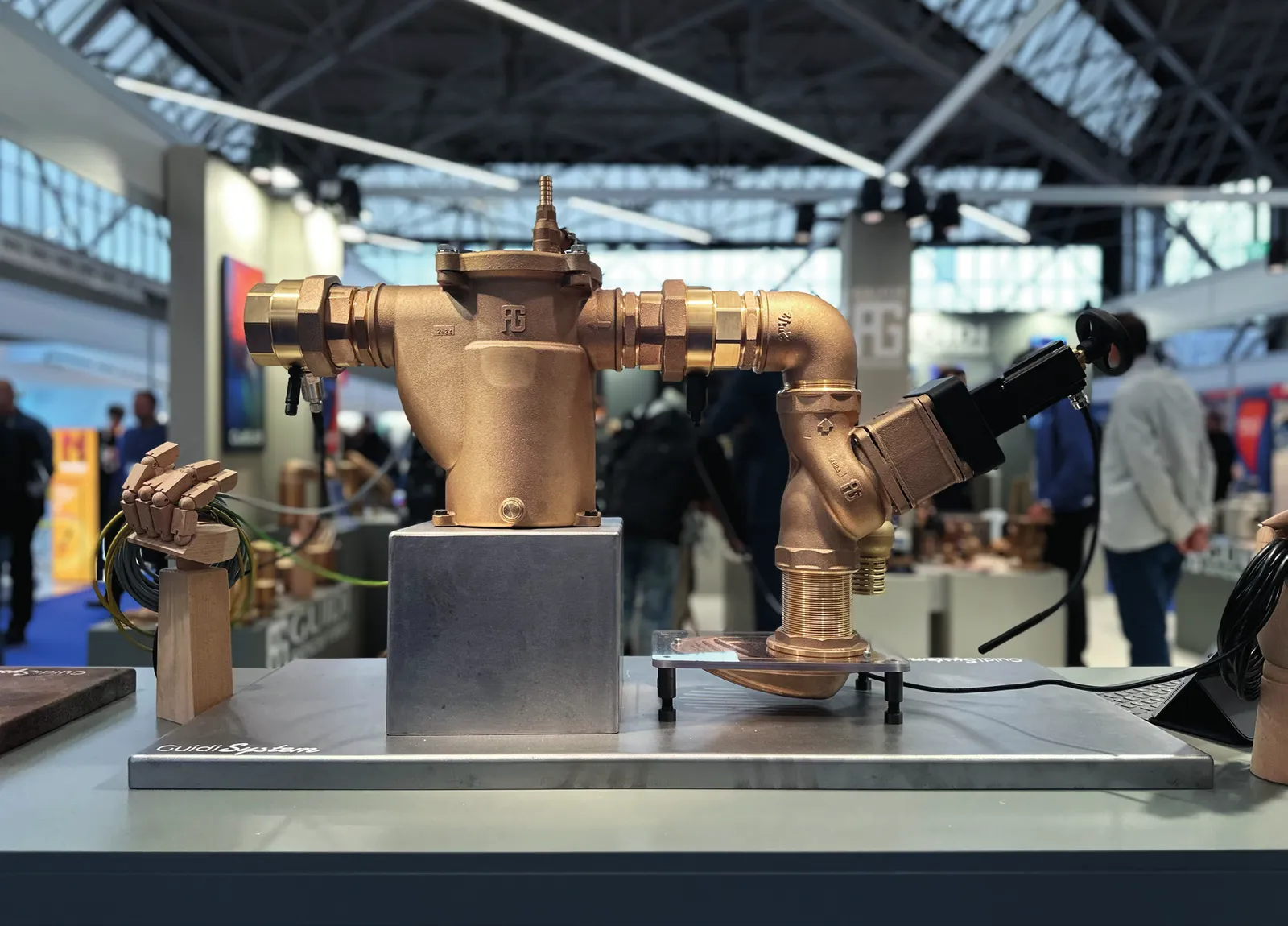
What is the Guidi System?
It is a set of parts designed to work together on a boat's seawater intake, from the hull to the pump. According to Guidi, it has three goals:
- reduce pressure losses in the circuit;
- prevent air bubbles and cavitation;
- keep the on-board plumbing working reliably over time.
The system stays efficient with light fouling but, like any seawater circuit, it needs regular maintenance and cleaning.
The components of the kit
The seawater intake and its strainer grille
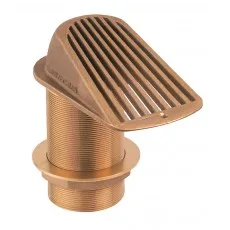
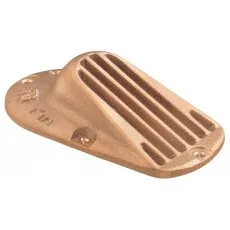
Fitted on the hull, the intake is where seawater enters the boat. Its job is to let the right flow through, with no loss and no turbulence in the circuit. Guidi offers grille intakes as well as intakes built into the through-hull. See all our strainer grilles.
The through-hull
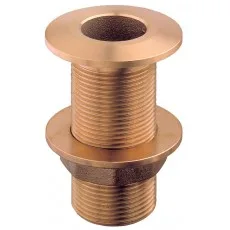
The through-hull crosses the hull and connects the inside of the boat to the outside. It consists of a threaded body, onto which the valve, a flange or a fitting is mounted, and a flanged nut that clamps it inside the hull and gives it its mechanical strength. Examples: RPM1260 bronze through-hull and RPM1112B “2000” series through-hull. See all our through-hulls.
The anti-blocking valve
Mounted directly on the through-hull, the seacock isolates the circuit: if there is a leak, you close it and the boat stops taking on water. The problem with standard ball valves is fouling: shells, algae and deposits end up jamming the ball, and the handle becomes stiff or impossible to turn.
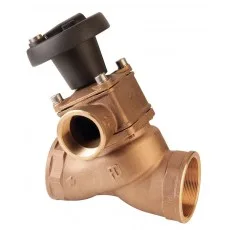
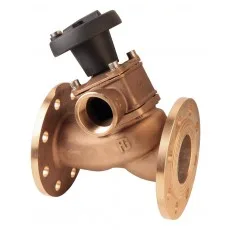
Guidi's patented anti-blocking valves work differently: a handwheel turns a screw that moves a shutter, and this mechanism is protected from deposits by a membrane. According to Guidi, they can still be operated after several months without use.
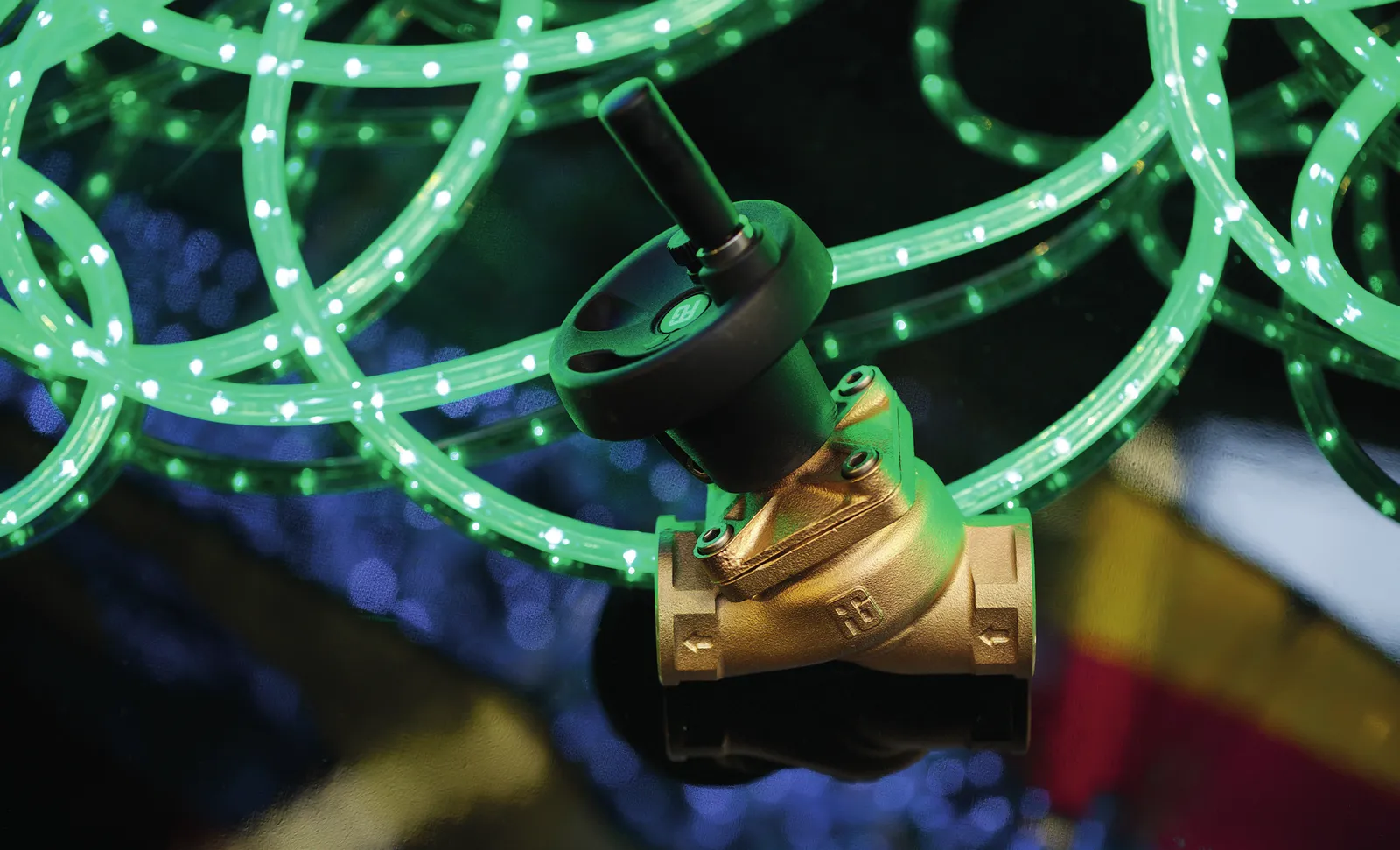
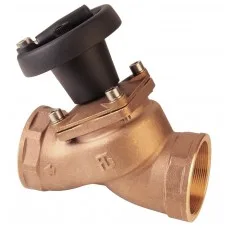
The “Alex” valve (2260) has a straight body rather than an angled one: full bore, no pressure loss, and a compact size that makes it easy to fit in tight spaces.

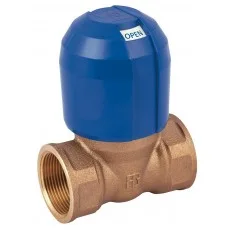
The double-inlet valves, threaded (RPM2250) and flanged (RPM2240), have an emergency position: if the boat floods, the main pump can draw water straight from the bilge. See all our anti-blocking valves.
The seawater strainer
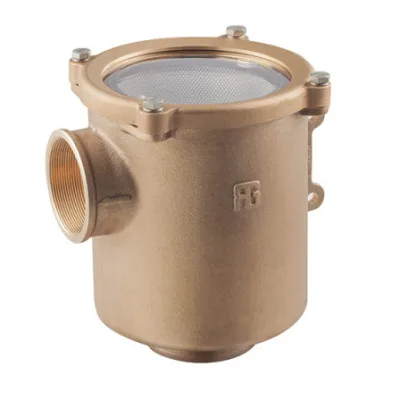
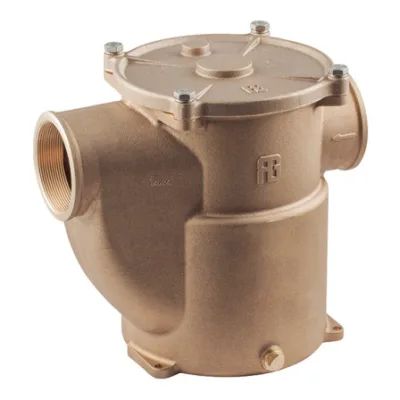
The strainer stops impurities, sediment and algae before they reach the pump and heat exchangers. Guidi strainers are watertight, and some have a clear polycarbonate lid so the basket can be checked at a glance. See all our seawater strainers.
Fittings and pipes
Between the intake, the valve and the strainer, fittings and pipes must be sized for the required flow and withstand, with a good safety margin, the working pressure and the pressure required by the standards. In the Guidi System they are bronze too.
What the connected “C-PIN” version adds
The C-PIN version keeps the same circuit but adds what is needed to control and monitor it from the boat's electronic system.
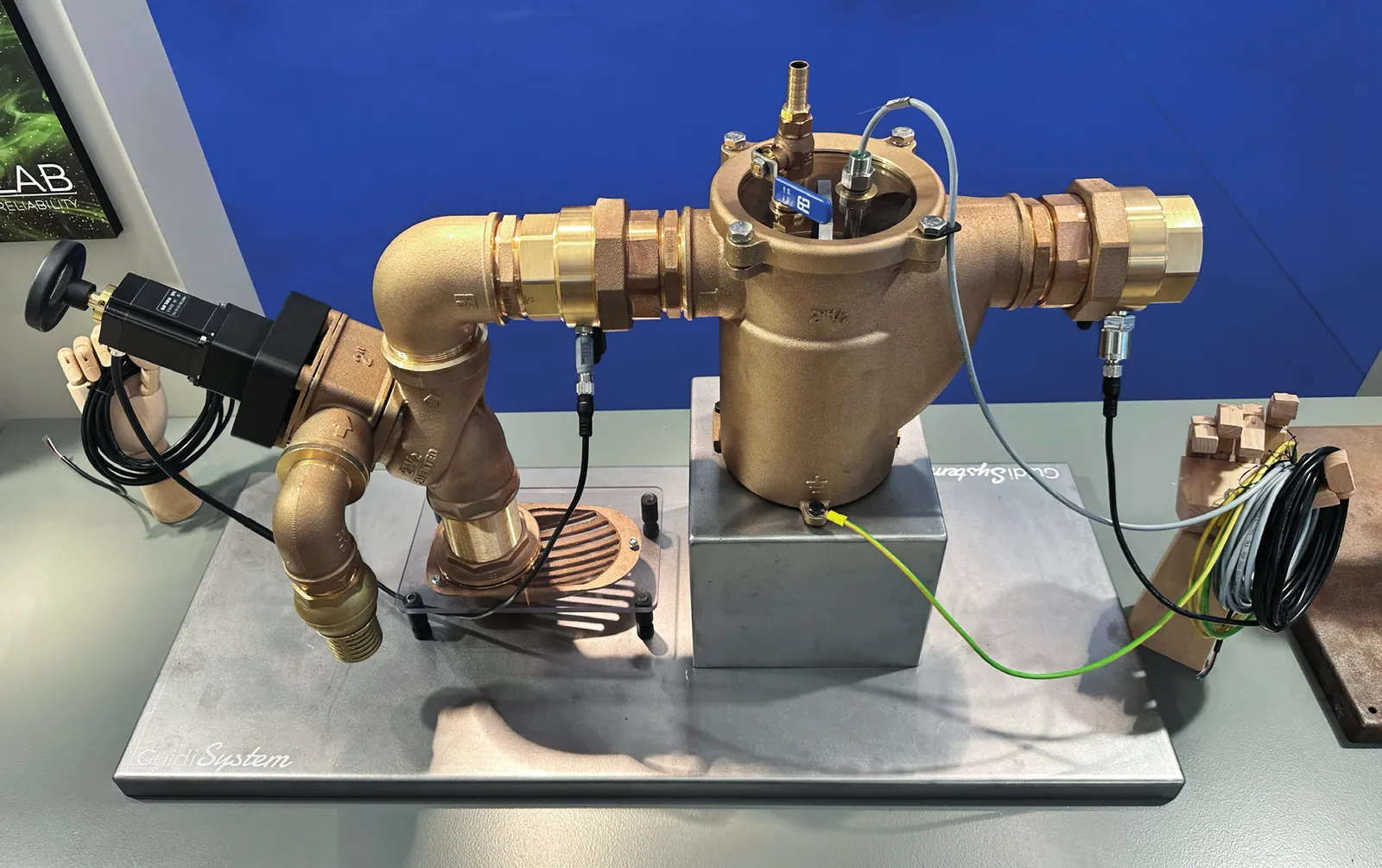
A motorised anti-blocking valve
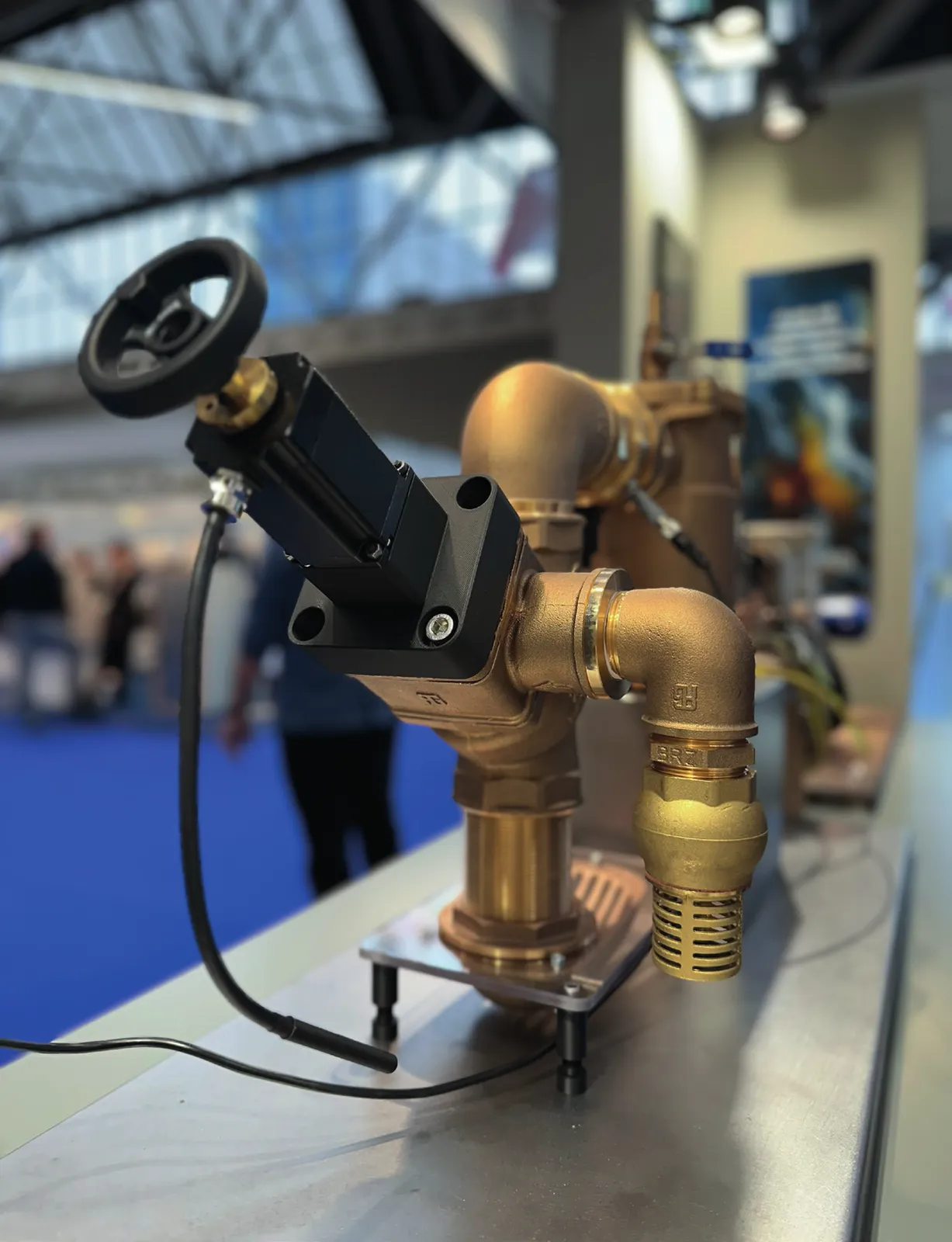
The valve is driven by a stepper motor powered at 24 V (or 12 V). The motor makes it possible to:
- operate the valve remotely;
- know its position at all times;
- open it partially as needed;
- run programmed opening and closing cycles;
- keep manual operation available at any time, as the standards require.
Programmed cycles directly address the problem of valves that nobody remembers to operate and that end up seizing.
A strainer fitted with sensors
Two issues keep coming back with strainers: knowing when to clean them, and spotting trapped air that makes the circuit less efficient. The C-PIN strainer therefore gets:
- pressure and temperature sensors upstream and downstream: if the pressure difference goes outside normal values, an alert at the helm says the basket needs cleaning; a drop in flow caused by a blocked intake, for instance a plastic bag, can also trigger an alert;
- a level sensor that measures how much water, and therefore air, is in the strainer;
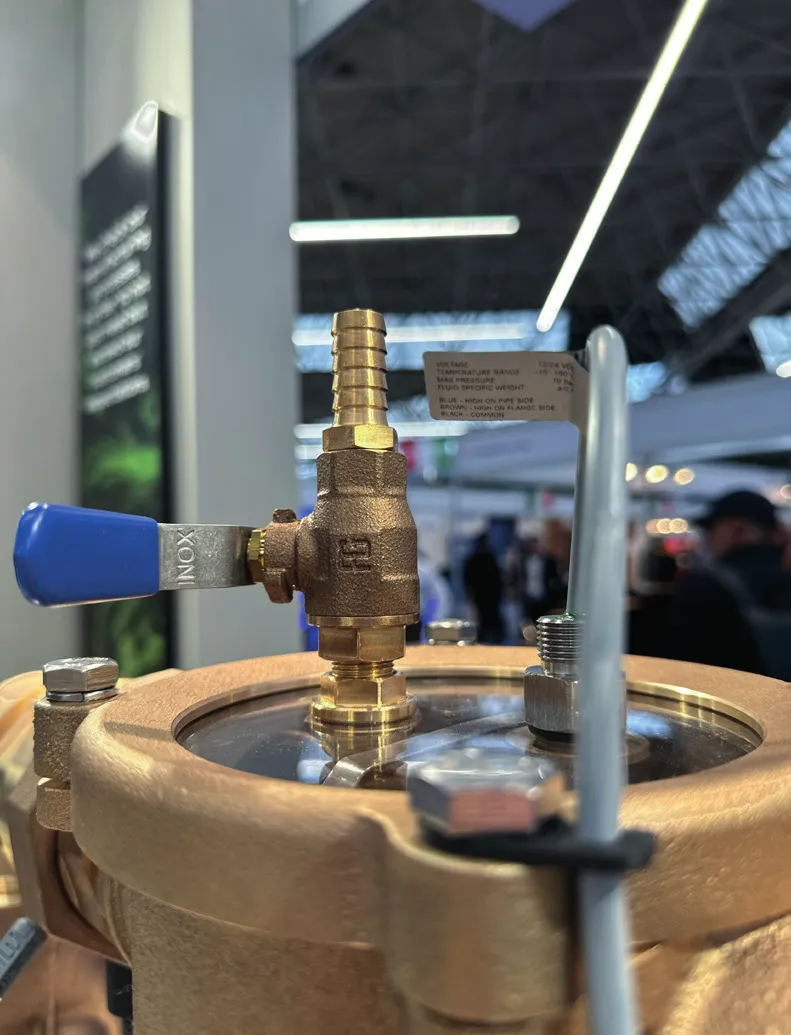
- a vent valve on the lid to let the air out and bring the circuit back to full efficiency.
Typical installation
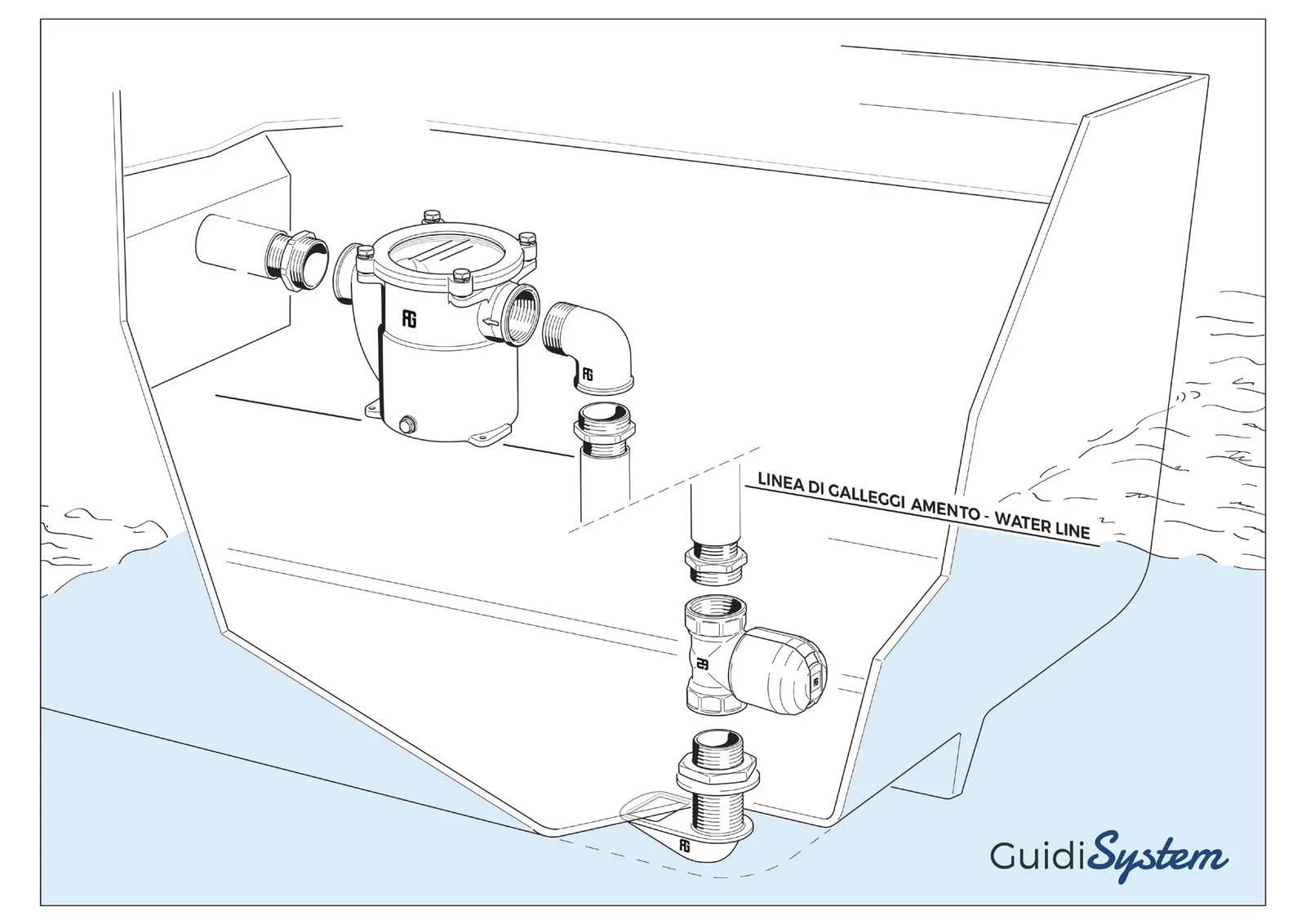
Following the water, the order is always the same: intake on the hull, through-hull, anti-blocking valve right above it, then the strainer placed before the pump or engine. Guidi shows installations combining the Mediterraneo 1163 or Ionio 1164 strainer with the 2210 anti-blocking valve or the Alex 2260 valve.
Why bronze throughout?
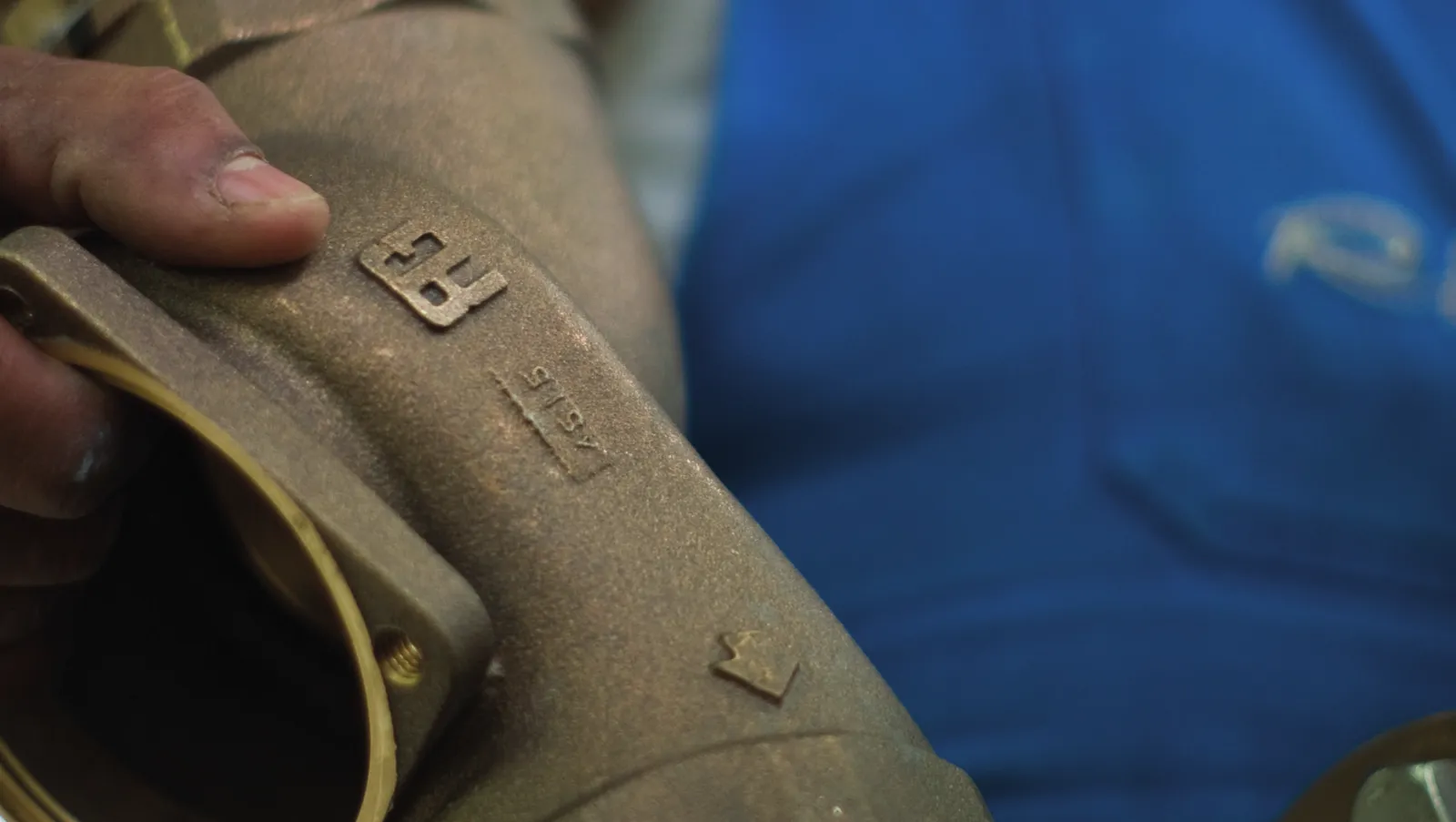
Seawater is corrosive, all the more so in the Mediterranean where salinity is high, and stray currents from on-board electronics make corrosion worse. Guidi therefore recommends bronze, which contains little zinc (about 5%), rather than brass, which contains about 35% and deteriorates faster. All Guidi System components are bronze and patented. The manufacturer also highlights their long service life, low maintenance and near-complete recyclability, since the parts separate easily when dismantled.
Good maintenance habits
- Operate the seacocks regularly, even anti-blocking ones.
- Check and clean the strainer basket.
- Check the sacrificial anodes: they are meant to wear away; if they don't, other parts of the circuit are corroding instead.
Frequently asked questions
What is the difference between an anti-blocking valve and a ball valve?
A ball valve opens with a quarter turn of a handle, but its ball can jam under deposits. A Guidi anti-blocking valve opens with a handwheel and a screw, its mechanism is protected by a membrane, and it can still be operated after a long period without use.
What does “C-PIN” mean?
It is Guidi's name for the connected version of its Guidi System: a remotely controlled motorised valve and a sensor-equipped strainer, both linked to the boat's electronic system.
Can the motorised valve still be operated by hand?
Yes. Manual operation remains possible at any time, as the standards require.
Why choose bronze over brass for a seawater circuit?
Bronze contains about 5% zinc against about 35% for brass, so it resists seawater corrosion much better.
How do I know when to clean the strainer?
With a clear lid, just look at the basket. On the C-PIN version, pressure sensors before and after the strainer trigger an alert at the helm when the difference becomes abnormal.
Find out more
Browse all Guidi products at RPM Diffusion, and see the manufacturer's presentation of the system: Il Guidi System C-PIN (guidisrl.it). Questions about choosing or sizing your seawater intake? Call us on +33 4 22 32 91 88 or email contact@rpmdiffusion.com.