
A seacock that has not been used for months must still close at the first attempt. Yet in seawater, conventional valves corrode internally, deposits build up on the sliding surfaces, and the first operation after a long idle period meets resistance; sometimes the handle breaks before the valve moves. Guidi designed its bronze anti-blocking valves to solve this problem; they are patented and approved by RINA and Lloyd's Register to ISO 9093:2020. Here is how they work and how to choose the right model, based on the manufacturer's GuidiLAB page.
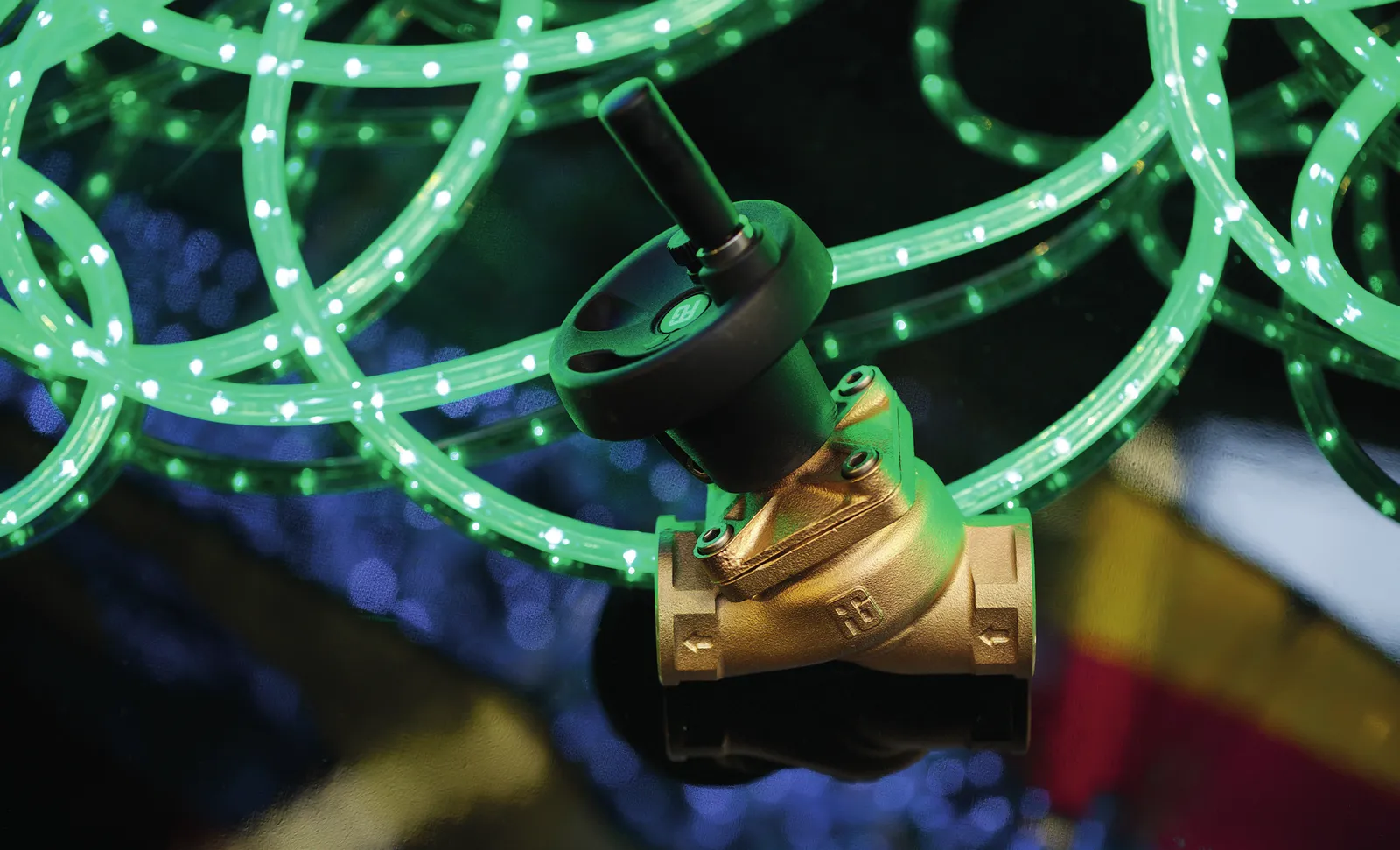
Where are they used?
In the engine room, on the cooling circuits of engines, generators, chillers, watermakers and air conditioning. The smallest sizes are also used on domestic circuits, including the heads.
Why does a conventional valve seize?
Ball valves and traditional valves are designed for building services and industrial installations ashore. On board, if nobody operates them regularly, they seize: scale forms on the internal parts, friction rises, and eventually the valve no longer turns. For Guidi, this is not a matter of build quality but of environment: these valves are not designed for seawater.
The principle: a neoprene membrane
On Guidi anti-blocking valves, the internal mechanism is separated from the water by a neoprene membrane, which protects it from both deposits and galvanic currents. The valve therefore remains operable even after months without use.
Neoprene is the trade name of polychloroprene, a synthetic rubber originally developed by DuPont. It resists salt water, ageing, weathering, abrasion and compression, and its chlorine content makes it flame-retardant and self-extinguishing. On seawater circuit materials, see also our article Bronze, brass, stainless steel, aluminium.
2004: the first angled-body models
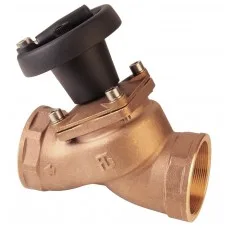
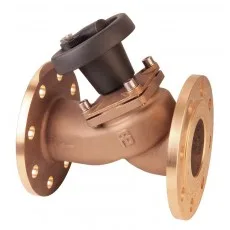
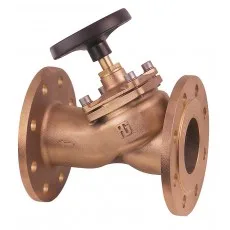
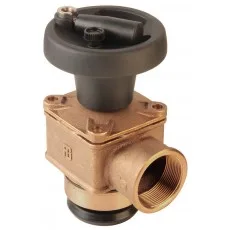
Patented in 2004, the first four models have an angled body, a geometry that allows maximum flow without significant head loss despite the angled path:
- 2200 (flanged PN6/PN16) and 2210 (BSPP thread to EN 10226-1, BS 21): position-indicator handwheel, compliant with ISO 9093:2020;
- 2220 (flanged PN6/PN16) and 2230 (BSPP thread): same hydraulic functions, arrow handwheel without position indicator (the arrow shows the direction of operation, not the valve's state), at a noticeably lower price.
ISO 9093:2020 covers through-hull fittings, seacocks and hose connections on boats up to 24 m. Beyond that, these valves can be fitted following the rules of the classification societies (RINA, Lloyd's Register, Bureau Veritas and others).
2007: the 2240 and 2250 double-inlet valves
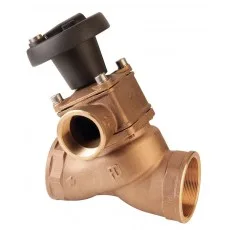
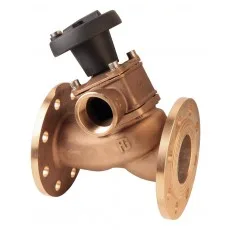
Some boats have a separate emergency circuit to drain the bilge after flooding, a leak or a collision: the seawater circuit is closed and the emergency circuit opened, so that bilge water cools the engine while being pumped out. This requires two circuits and two valves. Patented in 2007, the three-way 2240 (flanged PN6/PN16) and 2250 (F/F/F thread) valves, with angled body and position indicator, combine both in a single body: closing the seawater passage automatically opens the bilge passage. Fewer parts, less space, simpler installation.
2013: the straight-body Alex family
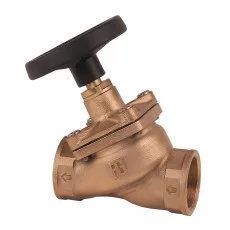
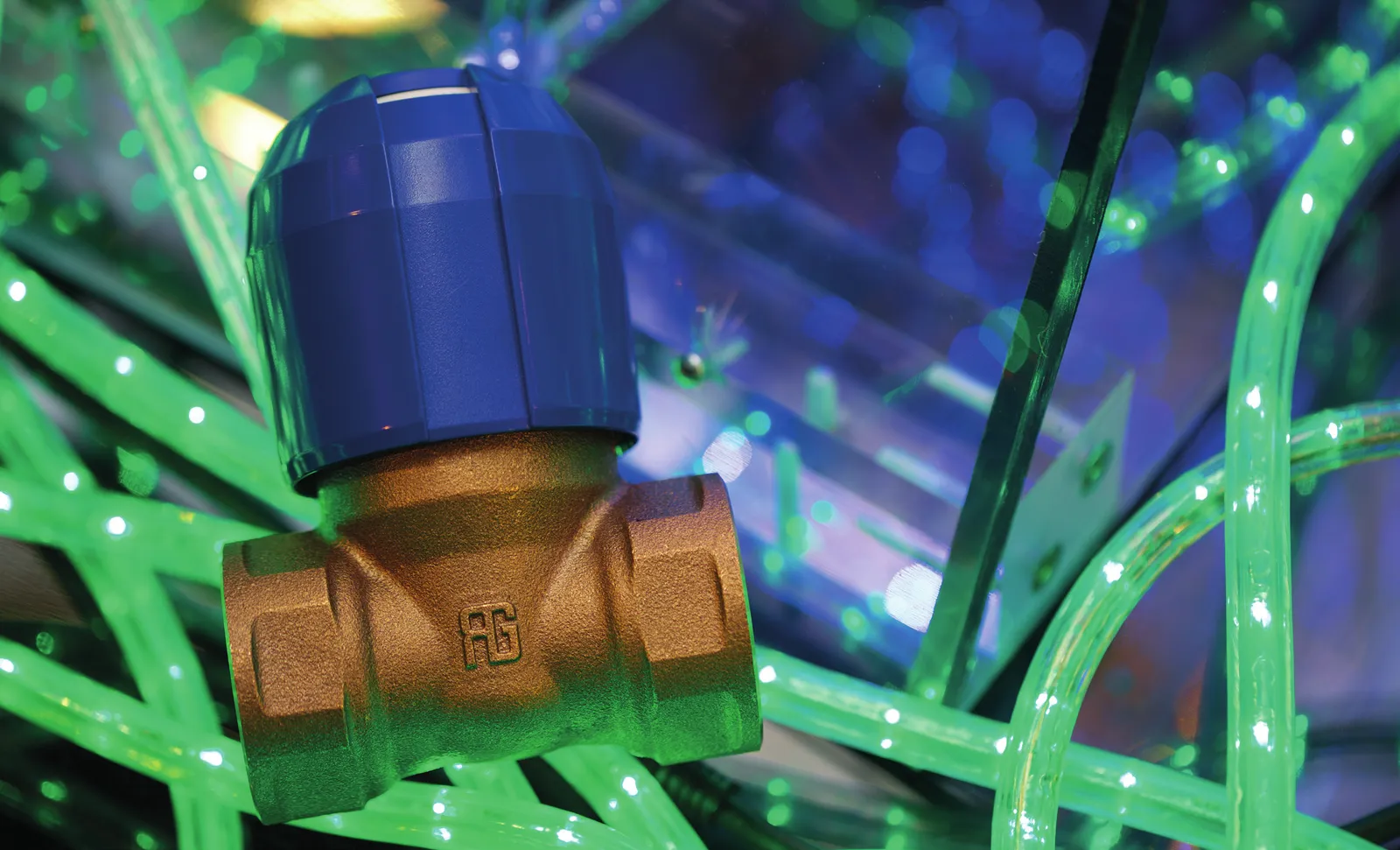
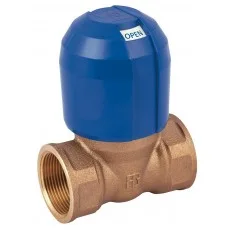
Patented in 2013, the Alex valve (2260) had three goals: a smaller footprint, less weight and a more affordable price. The 2261, 2270 and 2275 models are later developments; within this family, only the 2260 is patented. All have a straight body: straight-through passage, two opposed ends, quarter-turn (90°) closing element. The full bore keeps the flow continuous, without turbulence, and with no external lever it fits in tight spaces.
- 2260: BSPP thread, self-extinguishing ABS dome handwheel with a position indicator visible from outside;
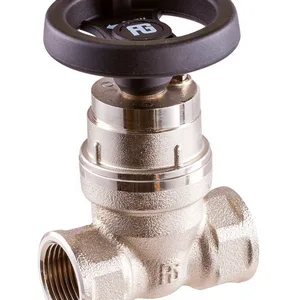
- 2270: threaded, nickel-plated bronze;
- 2261 (BSPP thread) and 2275 (flanged PN6/PN16): arrow handwheel, no position indicator.
Handwheels
- 2200, 2210, 2240, 2250: glass-fibre reinforced polyamide 6 handwheel, with open/closed indicator and locking pin; the position can be locked with a safety screw.
- 2220, 2230, 2261, 2270, 2275: same polyamide handwheel, no indicator; an arrow shows the opening and closing direction.
- 2260: self-extinguishing ABS dome handwheel, with a position indicator visible from outside.
What all models have in common
- Bronze body (nickel-plated bronze for the 2270).
- Internal mechanism protected by neoprene.
- Stainless steel fasteners.
- Handwheel in self-extinguishing material.
- Inspection without removing the valve from the circuit: on angled-body models, just remove the four cover screws; on the Alex family, unscrew the wedge section.
- Detailed installation, operating and maintenance instructions supplied with every valve.
Built to last, often longer than the boat itself, these valves need very little maintenance, are easy to dismantle and are made of almost entirely recyclable bronze.
Approvals
All Guidi anti-blocking valves are approved to ISO 9093:2020 by RINA (certificate DIP235223CS/003) and Lloyd's Register (certificate LR2556185TA-01). The approvals cover boats with a hull length, measured to ISO 8666, of up to 24 m; beyond that, the valves can be fitted following the rules of the relevant bodies. Installation must follow the manufacturer's instructions and ISO 9093:2020.
Spare parts
Guidi supplies operating kits for the whole range: for example for the 2200 and 2210 valves, for the 2240 and 2250 double-inlet valves, for the 2220 and 2230, and for the Alex family. These are the ones available from us:
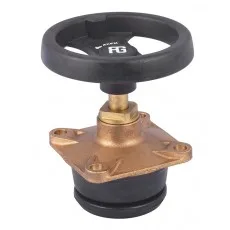
For another kit, contact us with your valve's reference.
What about the motorised version?
Guidi also offers its anti-blocking valve in a motorised, remotely controlled version as part of its connected C-PIN system: see our article on the Guidi System C-PIN. In the Guidi System, the valve is usually fitted on the through-hull, before the strainer: see also our article on the Mediterraneo strainer.
Safety: all work must be done with the boat out of the water or with the intakes closed from outside. If water gets in during maintenance, the boat can flood and sink.
See all our anti-blocking valves.
Frequently asked questions
How does it differ from a ball valve?
A ball valve, designed for building services and industrial use ashore, seizes on board if it is not operated: scale jams its internal parts. On a Guidi anti-blocking valve, a neoprene membrane isolates the mechanism from water and galvanic currents, and the valve remains operable after months without use.
Which should I choose, 2210 or 2230?
They have the same hydraulic functions. The 2210 has a position-indicator handwheel and complies with ISO 9093:2020; the 2230 has an arrow handwheel without indicator, at a lower price.
What is a double-inlet valve for?
The 2240 and 2250 valves combine the seawater intake and the emergency bilge suction: closing the seawater passage automatically opens the bilge passage: after flooding, bilge water cools the engine while being pumped out.
Are Guidi anti-blocking valves approved?
Yes: all are approved to ISO 9093:2020 by RINA (DIP235223CS/003) and Lloyd's Register (LR2556185TA-01), for boats up to 24 m; beyond that, under the rules of the relevant bodies.
How do I inspect the valve?
Without removing it from the circuit: four cover screws to remove on angled-body models, the wedge section to unscrew on the Alex family. Always with the boat out of the water or the intakes closed from outside.
Find out more
Browse all Guidi products at RPM Diffusion and the manufacturer's page: The non-stick valves, GuidiLAB (guidisrl.it). To choose the right model, size or spare kit, call us on +33 4 22 32 91 88 or email contact@rpmdiffusion.com.