
A seacock, an intake, a through-hull, a strainer or a simple fitting never works in neutral conditions: salt water, vibration, swings in temperature and pressure, fouling, stray currents, contact with other metals. A wrong choice of material or a poor installation does not show on the day it is fitted: it appears months or years later, and by then it is a safety issue. Our partner Guidi devoted a page of its technical lab, GuidiLAB, to this question. Here are the key points, with the matching parts from our catalogue.
Think in terms of the system, not the single part
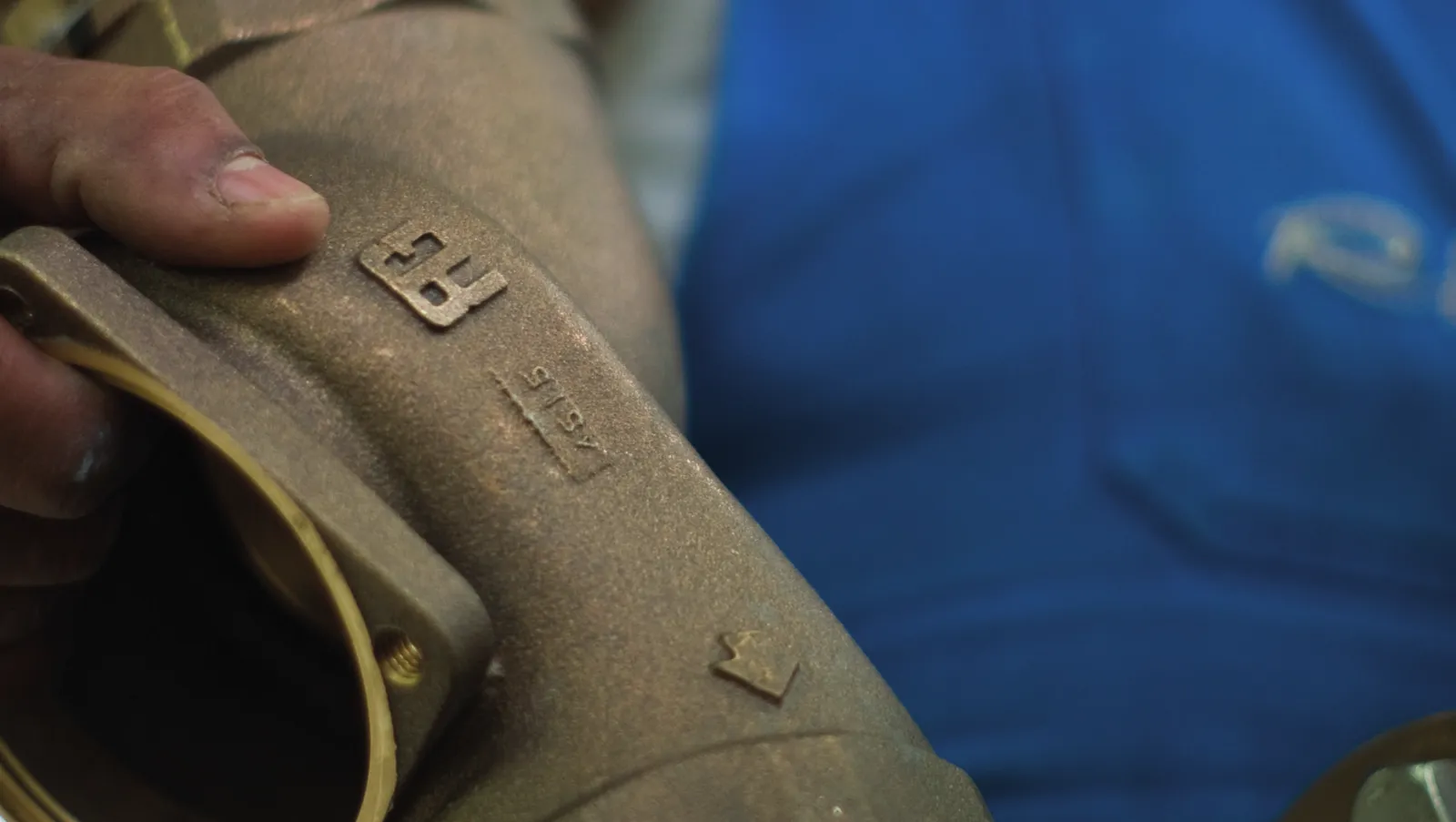
For Guidi, the right choice is not made on a datasheet, nor on price or looks, but in the part's real environment: seawater, other metals nearby, mechanical loads, planned maintenance, cathodic protection, fouling and expected service life. An excellent part can deteriorate quickly if the rest of the circuit puts it in abnormal conditions.
Metal or plastic: two different jobs
Metal is chosen for mechanical strength, dimensional stability and reliability under load: valve bodies, through-hulls and intakes below the waterline. Plastics and engineering polymers are chosen for other qualities: lightness, transparency, elasticity, insulation, or shapes that are hard to make in metal. They are neither forbidden nor universal: first define what the part has to do, then check its position, temperature, ageing and compatibility with seawater, oils and cleaning products.
Bronze and brass: alike to the eye, different at sea
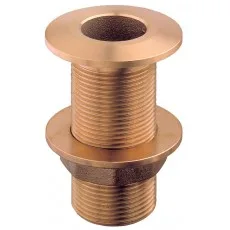
Bronze and brass are both copper-based alloys, and they look alike. But brass contains much more zinc. It machines easily and suits many plumbing applications; in seawater, it is exposed to dezincification: a selective corrosion that gradually removes the zinc from the alloy and leaves porous, brittle copper. The part can look intact from the outside while it has lost its strength. So colour is no guide: two parts that look the same can have very different compositions and service lives.
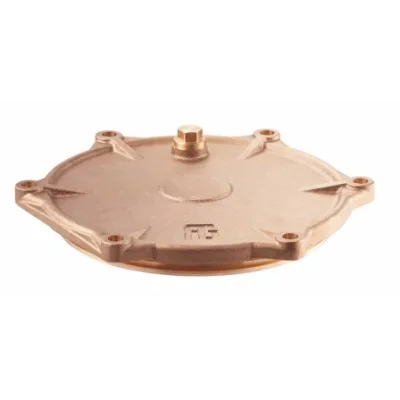
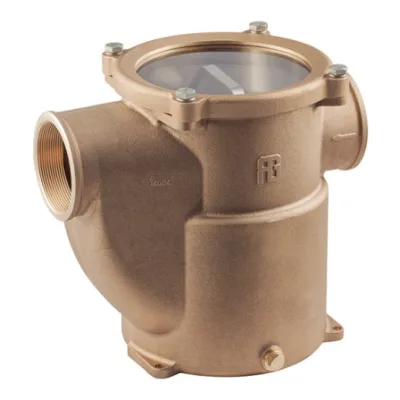
Bronze, on the other hand, stands up well to seawater and keeps its mechanical properties over time. It is the material Guidi favours for critical parts in contact with seawater, such as intakes, valves, strainers and fittings. For typical zinc contents in the two alloys, see our article on the Guidi System C-PIN.
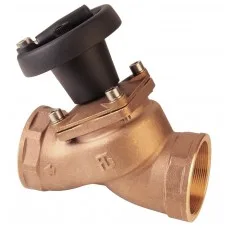
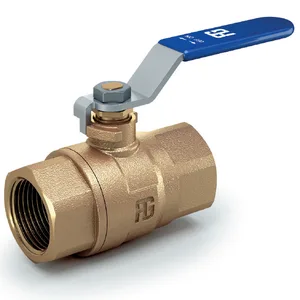
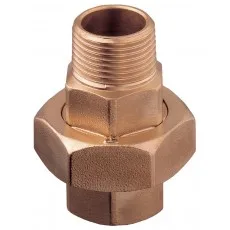
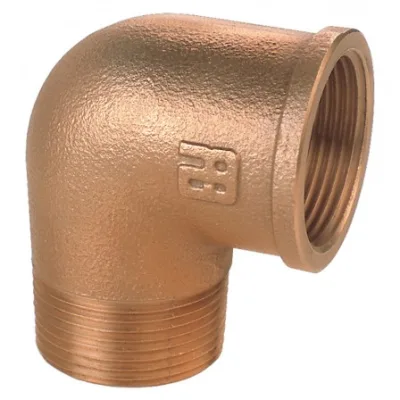
See also our Guidi unions and anti-blocking valves.
DZR brass: useful, but not the same as bronze
DZR brass (dezincification resistant) is formulated to resist dezincification better than standard brass. It is no miracle cure: its performance depends on its exact composition, its heat treatment and the quality of its manufacture. It can be suitable in fresh water or in mildly aggressive installations; in seawater, and especially for a critical part, it needs a stricter assessment. Guidi prefers bronze for these parts, for its wider margin of resistance to marine corrosion and its long-term stability. This is not a verdict against DZR, but a choice tied to the part's function and expected life.
Aluminium: relevant when weight matters
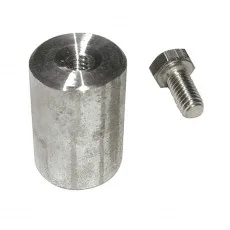
Aluminium is light and useful where weight is a constraint. But in contact with seawater and other metals, it is more exposed to galvanic corrosion if the circuit is poorly designed. It is not unsuitable in itself: it needs compatible materials, electrical isolation where necessary, proper cathodic protection and a careful installation. The rule applies to all metals: any contact between different metals in a marine environment increases the risk, and that risk can be managed.
Galvanic corrosion, explained
It occurs when three conditions are met:
- two different metals, with different electrochemical potentials;
- an electrical contact between them;
- a conductive electrolyte: on board, almost always seawater.
The less noble metal then becomes the anode and corrodes faster; the more noble one, the cathode, is relatively protected. This is exactly how sacrificial anodes work. The worst case is a small, less noble part connected to a large, more noble surface. Areas where water stagnates, with little oxygen, fouling or deposits, make it worse.
Good practice as set out by Guidi:
- choose compatible materials and avoid unnecessary couplings between metals;
- isolate electrically where needed;
- design bonding and cathodic protection properly;
- check the sacrificial anodes regularly;
- avoid stagnant water, deposits and fouling, which create aggressive local conditions.
“Don't mix metals” is therefore a useful but incomplete rule: when different metals have to coexist, their compatibility must be designed in from the start.
Stainless steel in strainer baskets
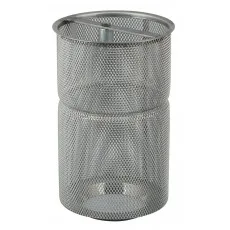
A strainer basket must hold back impurities, algae, sediment and debris without restricting flow, and be easy to remove, clean and refit. Guidi makes its baskets in 316L stainless steel, a grade suited to the marine environment. That does not make them immune: if a basket corrodes, look at the installation. The basket often reveals an external problem: stray currents, faulty bonding, incorrect earthing, ineffective cathodic protection, worn or missing anodes, an unfavourable coupling of metals. The right question is not only “why did the basket corrode?”, but “what is happening in the circuit for corrosion to show up exactly there?”.
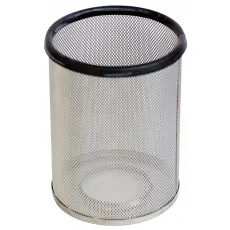
See all our strainer baskets and seawater strainers.
Non-metallic parts, where they really help
Some functions call for something other than metal:
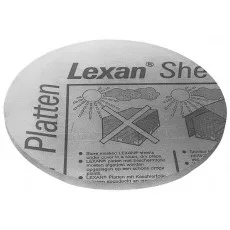
- a clear lid to check a strainer at a glance;
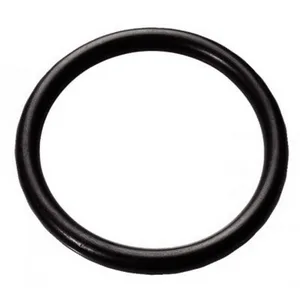
- a seal that deforms in a controlled way to keep things watertight;
- a handwheel that is easy to turn, durable and comfortable to grip;
- a membrane that protects a mechanism from water and fouling, as on Guidi anti-blocking valves.
These parts do not replace metal in a structural role. Above all, they must keep their shape, seal and elasticity over time: a seal or lid that ages badly can compromise an otherwise well-designed metal part.
Maintenance and diagnosis
A good material reduces the risk; it does not remove the need for maintenance. Check regularly: strainers, valves, fittings, anodes, bonding, fouling, blockages, leaks, signs of corrosion and electrical anomalies. When corrosion appears, the part is not necessarily to blame: stray currents, a poor coupling of metals, cavitation, turbulence, excessive flow velocity, stagnant water, aggressive cleaning products, inactive anodes or an incorrect installation are all possible causes.
In short
- Bronze: a sound choice for critical metal parts in contact with seawater.
- Brass: acceptable in less aggressive applications, keeping an eye on dezincification.
- DZR brass: more resistant than standard brass, but to be assessed strictly in seawater.
- Aluminium: useful when weight matters, provided unfavourable galvanic couplings are avoided.
- Stainless steel: suited to specific functions such as strainer baskets, taking into account the electrical behaviour of the circuit.
- Non-metallic parts: for sealing, transparency, elasticity, insulation or handling, not as a generic substitute for metal.
Frequently asked questions
How can I tell bronze from brass on a part?
Not by colour: the two alloys look very similar. Rely on the manufacturer's designation: on our website, the names of our Guidi parts generally state the material (bronze, brass, stainless steel). If in doubt, contact us.
What is dezincification?
A selective corrosion of brass in seawater: zinc gradually leaves the alloy, leaving porous, brittle copper, while the part can still look intact from the outside.
Can DZR brass replace bronze in seawater?
It resists dezincification better than standard brass, but its performance depends on its composition and manufacture. For critical parts in seawater, Guidi prefers bronze for its wider margin of resistance.
Why is the stainless steel basket in my strainer corroding?
316L stainless steel suits the marine environment but is not immune. Basket corrosion often points to a problem in the circuit: stray currents, faulty bonding, worn anodes or an unfavourable coupling of metals.
What is a sacrificial anode for?
Being less noble than the other metals in the circuit, it corrodes in their place through galvanic corrosion. It is meant to wear away: check it and replace it regularly.
Find out more
Browse all Guidi products at RPM Diffusion and the manufacturer's page: Materials in marine systems, GuidiLAB (guidisrl.it). Unsure about a part's material or your circuit's compatibility? Call us on +33 4 22 32 91 88 or email contact@rpmdiffusion.com.